-
Find your place in the sun
- Home
-
Property Search
- Property Search
-
Property in Spain
- Property in Spain
- Almeria
- Costa Blanca
- Costa del Sol
- Costa Brava
- Costa de la Luz
-
Costa Tropical
- Costa Tropical
- La Herradura
- Almuñécar
- Salobreña
- Motril
- Murcia
- Valencia
- Inland Andalucia
-
Canary Islands
- Canary Islands
- Tenerife
- Fuerteventura
- Lanzarote
- Gran Canaria
- Balearic Islands
- All Areas
- Property in France
-
Property in Portugal
- Property in Portugal
- Algarve
- Albufeira
- Lagos
- Lisbon Coast
- Silver Coast
- All Areas
- Property in Italy
-
Property in Greece
- Property in Greece
- Aegean Islands
- Corfu
- Crete
- Halkidiki
- Ionian Islands
- All Areas
- Property in Florida
- Property in Cyprus
- Property in Turkey
- UK Park Homes
- Search all countries
- New Developments
- Find an agent in...
- Most Popular Properties
-
-
Help & Guides
- Help & Guides
- How to Buy
- Area Guides
- Free Guide Download
- Professional Services
- Currency
- Mortgages
- Insurance
-
Relocation
- Relocation
-
Moving to Spain
- Moving to Spain
- Buying property in Spain
- Living in Spain
- Retiring to Spain
- How to move to Spain
-
Moving to France
- Moving to France
- Buying property in France
- Living in France
- Retiring to France
-
Moving to Portugal
- Moving to Portugal
- Buying property in Portugal
- Living in Portugal
- Retiring to Portugal
-
Moving to Italy
- Moving to Italy
- Buying property in Italy
- Living in Italy
- Retiring to Italy
-
Moving to Cyprus
- Moving to Cyprus
- Buying property in Cyprus
- Living in Cyprus
- Retiring to Cyprus
- Moving to Malta
- Find a Lawyer
- Viewing Trips Guide
- Articles
- Webinars
- New Developments
- Live Events
-
TV Show
- TV Show
- Episodes
- Presenters
- Apply
- Advertise with us
-
- Sign up / sign in
- Currency
- Find an agent
- Advertise with us
Buying Property in Malta
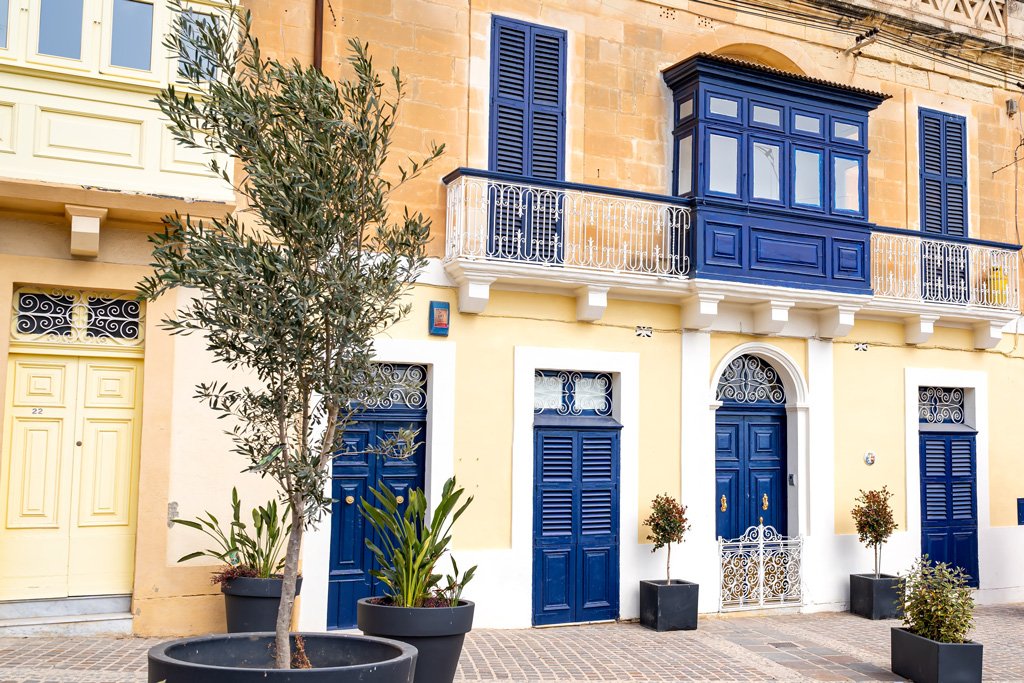 If you're looking to buy a new home in Malta you'll need to be aware of the buying process. Take a look at some of the costs and processes you need to be aware of below.
How to buy property in Malta
Under Maltese Law, foreign nationals are allowed to purchase properties on various counts. If purchased as a holiday or second home, the property must satisfy a certain minimum value which changes periodically.
These thresholds do not apply, however, to either European Union citizens buying the property as their main residence i.e. living there permanently, or if the property is located in a Special Designated Areas (SDAs).
Once you find the perfect property and engage an (independent) lawyer, the preliminary contract, called a convenium, is signed and you pay a 10% deposit. This is binding on both parties. While your lawyer is doing the necessary title and credit checks, the notary will be checking your status.
If you are from overseas and the property will not be your main residence, or is outside an SDA, they will apply for permission from the Ministry of Finance.
When all permissions and checks are in place you sign the final contract and pay the balance of the asking price - along with all taxes and fees. This whole process should not take longer than three months.
Buyers should budget for around 5% stamp duty, 1 to 3% notarial fee and a little more for legal fees and searches etc.
FAQs: Buying Property in Malta
Can foreigners buy property for sale in Malta?
Yes, foreigners can buy property in Malta, but there are some restrictions. Non-residents usually need an Acquisition of Immovable Property (AIP) permit to purchase property, unless they’re buying within a Special Designated Area (SDA), where any nationality can buy freely. SDAs are popular with international buyers because they offer luxury developments and no rental restrictions.
What are the best areas in Malta to buy property?
Popular areas for property for sale in Malta include Sliema, St. Julian’s, Valletta, and Mellieħa. Sliema and St. Julian’s attract those looking for modern apartments near nightlife and the sea, while Valletta offers historic charm. Northern towns like Mellieħa or Qawra appeal to those seeking more space and sea views at better value.
How much does property cost in Malta?
Property prices in Malta vary depending on location and type. As of 2025, second-hand apartments typically start from around €200,000, while villas and seafront homes can exceed €1 million. Prices tend to be highest in coastal and urban areas but more affordable inland. Buyers should also budget for stamp duty and notary fees.
Is buying property in Malta a good investment?
Yes, Malta offers a stable property market with strong rental demand and steady capital growth. The country’s low tax rates, high rental yields, and English-speaking environment make it attractive to investors. Additionally, Malta’s EU membership and robust legal framework provide security for international property owners.
What is the process of buying a property in Malta?
The process involves signing a Promise of Sale Agreement (Konvenju), paying a deposit (usually 10%), obtaining permits if required, and completing due diligence before the final deed of sale is signed before a notary. The entire process usually takes between 8–12 weeks. Working with a local estate agent can help navigate paperwork efficiently.